Start your jounney
towards energy independence

Residential Solar
End to end solar installation services

Solar battery storage
Energy storage solutions

Commercial Solar
Solar panels for your business

EV Chargers
A smart home investment

Payment options
Payment methods that suit you

Green investment
Contribute to a renewable future
Join thousand of people making the change to solar
Solar panels installed
Average customer ROI
of energy savings in 2022
customers making a positive change
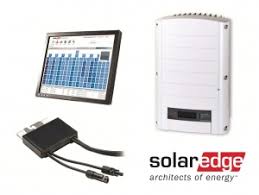
What's include in a solar system?
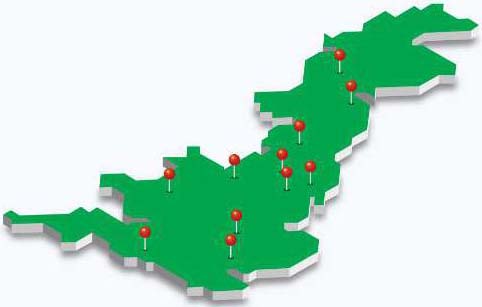
SOLAR INSTALLED ALL OVER MAINLAND UK
Nationwide installations
Explore solar solutions for your home or business
WHY DO CUSTOMERS CHOOSE SOLAR FAST?
Real People, Real Stories
Who are Southeast Solar & Storage?
About us
We are the fastest growing solar company in the UK, empowering homes and businesses with the latest solar technology
FAQs
Frequently Asked Questions
No, solar panels don't only work when it's sunny. They can still generate electricity on cloudy or overcast days, although at a reduced efficiency compared to sunny conditions. Solar panels work by capturing sunlight, and even indirect sunlight can be converted into energy.
So, while sunny days produce the most energy, solar panels will still produce power in cloudy or rainy weather, just not as much. The amount of energy generated depends on factors like the intensity of the sunlight, the time of year, and the angle of the panels.
Yes, solar panels can benefit from cleaning, though how often they need it depends on factors like the local environment and the amount of dust, dirt, or debris they collect. In general, solar panels are designed to be low-maintenance, but over time, dirt, bird droppings, leaves, or even pollen can accumulate on the surface, reducing their efficiency.
Here are some points to consider:
Rain: In many areas, rain can naturally clean solar panels, especially if the panels are installed at an angle that allows water to wash off the debris.
Cleaning frequency: If you live in a dusty or dry area, or near trees that drop leaves, you might need to clean the panels more often (every 6 months to a year). In cleaner areas, it could be less frequent.
How to clean: If you do need to clean them, use soft materials like a microfiber cloth or a sponge. It's best to clean them early in the morning or late in the evening when the panels are cool to avoid damaging them with temperature extremes. Always avoid using harsh chemicals or abrasive tools.
If you're unsure or if the panels are hard to reach, you might want to hire a professional to clean them safely.
A south-facing roof is ideal for solar panels in the Northern Hemisphere because it gets the most direct sunlight throughout the day. However, it's not a strict requirement — solar panels can still work on roofs that face other directions.
Here’s a breakdown:
South-facing (in the Northern Hemisphere): This is typically the best orientation for maximum sun exposure, as it gets the most sunlight over the course of the day.
East or West-facing: Solar panels on these sides can still produce good energy, but they’ll be more limited to either the morning (east) or afternoon (west) sunlight. While not as efficient as south-facing, they’re still viable options.
North-facing (in the Northern Hemisphere): North-facing roofs receive less direct sunlight, especially in the winter, so they’re generally the least ideal for solar panels. However, in some cases, with the right tilt and angle, they can still generate energy, though at a reduced efficiency.
So, while a south-facing roof is ideal, solar panels can be installed on roofs facing other directions and still produce a significant amount of energy. The exact performance will depend on factors like roof angle, shading, and the specific solar technology used.
Solar panels are designed to last a long time, typically around 25 to 30 years or more. Over that time, they gradually lose some of their efficiency, but they can still produce electricity well beyond that period.
Here are some key details about the lifespan of solar panels:
Warranty: Most solar panel manufacturers offer warranties of 20 to 25 years. This warranty typically covers a certain level of performance (e.g., around 80% of the original efficiency) for the duration of the warranty.
Performance degradation: Solar panels lose efficiency slowly over time. On average, panels degrade by around 0.5% to 1% per year. So, after 25 years, your panels might still be producing around 80-90% of their original output, depending on the quality of the panels and environmental factors.
Maintenance: Solar panels require very little maintenance, but keeping them clean and free from debris can help them last longer and maintain better performance.
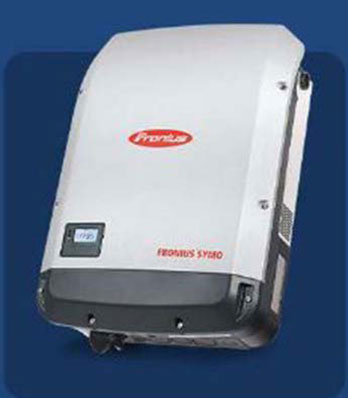
Inverter lifespan: While the panels themselves can last 25-30 years, the inverters (which convert the solar energy into usable electricity) typically last around 10-15 years. You might need to replace the inverter once or twice during the lifespan of your solar panels.
Overall, solar panels are a long-term investment, and with proper care, they should continue to generate electricity for many years after the warranty period ends.
The installation of solar panels typically takes about 1 to 3 days depending on several factors. Here's a breakdown of the process:
Site assessment and design (1–2 weeks before installation): Before installation, a company will assess your roof, take measurements, and determine the best design and positioning of your solar panels. This might take some time, as permits and approvals may be required, depending on your local regulations.
Installation (1–3 days): The actual installation process usually takes 1 to 3 days. This includes:
- Mounting the solar panels on the roof.
- Installing the inverter and other necessary electrical components.
- Wiring everything together and connecting it to your electrical system.
- Testing the system to ensure it's working properly.
Inspection and approval (a few days to a few weeks after installation): After installation, some local governments or utility companies may require an inspection to verify the system meets codes and standards. Once approved, you can start using the system.
So, while the physical installation of the panels takes just a few days, the entire process, including paperwork, permits, and inspections, can take a few weeks.
FREE DOWNLOAD
The Ultimate Solar Guide
This guide will help you understand solar energy systems without trying to blind you with science. Instead, Solar Fast have taken the data you ACTUALLY need and presented it in any easy-to-read format.
Yours to download for free now!
GET YOUR QUOTE
Start your
solar journey
Take the first step in your solar journey today by joining 16,000+
happy customers